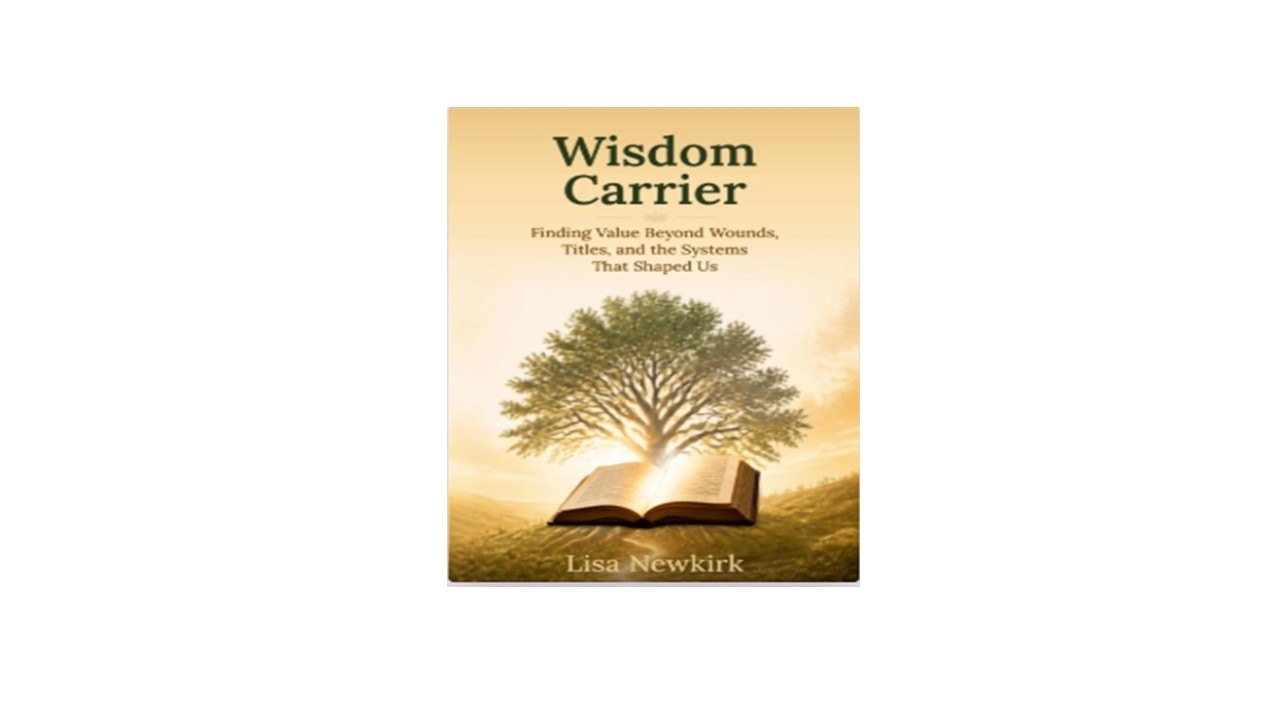
When Old Words No Longer Get the Last Word
A reflection inspired by Chapter 1 of Wisdom Carrier: Sticks and Stones.
Some words stay with us long after the conversation ends. We may forget the day they were spoken, yet still remember how small we felt. Before we know it, we’re checking our choices against an old sentence: Am I too much? Did I get it right? Will this be okay with someone else?
I didn’t understand that pattern all at once. For a long time, I thought being careful meant making sure no one had a reason to misunderstand me. Looking back with God, I began to notice how often I was asking a room to tell me whether I had value.
The wisdom I carry comes from God. Experience gave me things to examine, but He helped me see what I had accepted as truth and what I no longer needed to believe about myself.
That discovery also turned my attention to my own words. I couldn’t ask for freedom from what had wounded me while refusing to notice what I had passed on. Learning to say I’m sorry became part of learning to speak differently. Not to force a response or make someone reassure me, but to own my part and leave room for their voice.
There’s room here for both truths: words may have hurt you, and you can learn a different way to use yours. Neither truth requires you to turn your whole life into an accusation.
If you’d like, sit with one sentence you’ve carried about yourself. You don’t have to share who said it. Bring it to God and ask: Is this something You want me to keep believing?
You don’t have to sort through every word today. One honest question is a place to begin. Reflect on experiences that led to beliefs you hold about yourself or others.
Consider how these beliefs have shaped you and your interactions with others. Explore ways to communicate your feelings while also allowing space for others to express themselves. Write here…